Marine science and microbial ecology
Island-ocean connections:
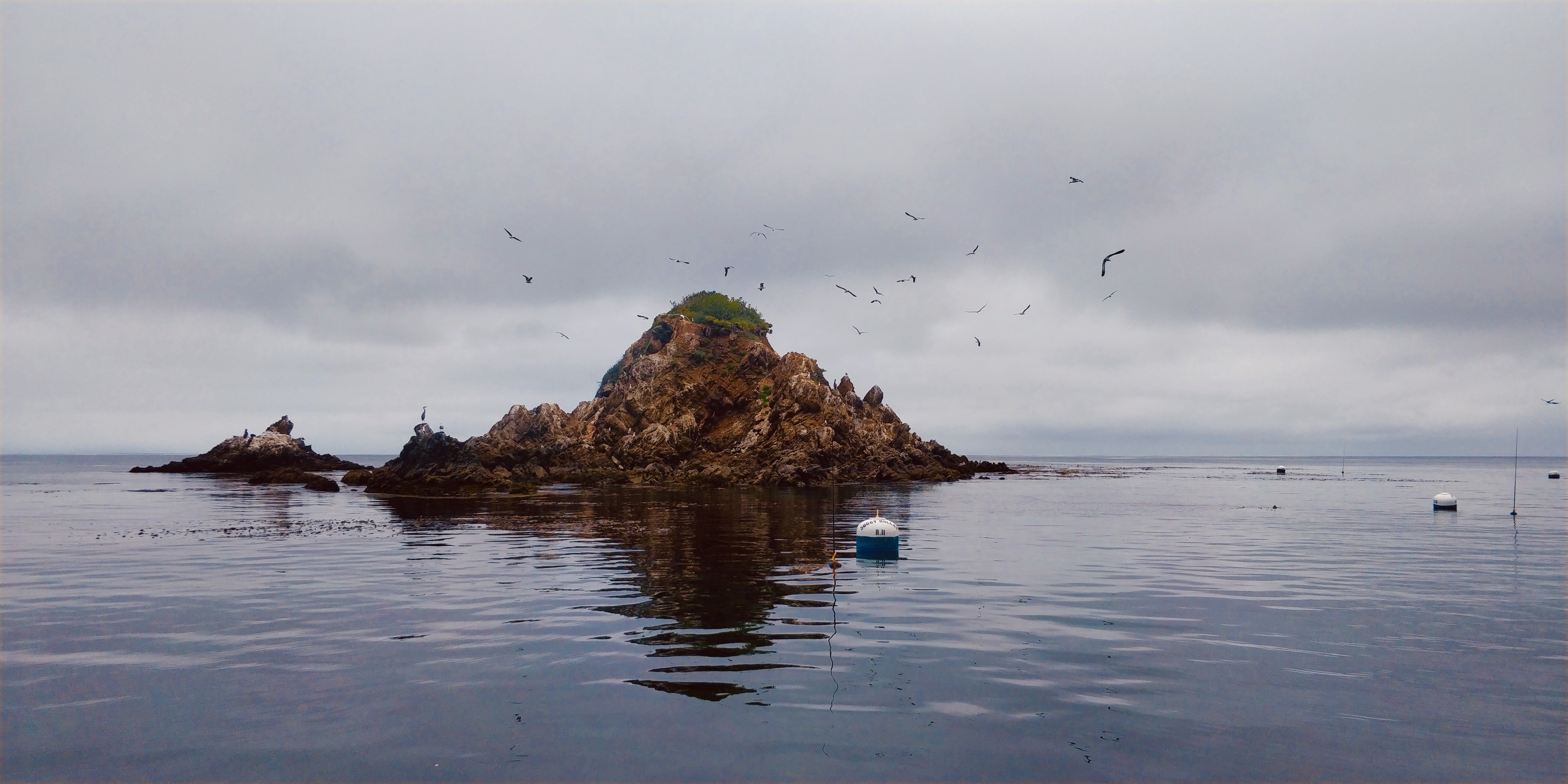
This project examines the importance of island-ocean linkages and how disturbances like invasive species could have impacts not only in the terrestrial ecosystems but also in adjacent marine ecosystems. The work here examines key characteristics that strength land-sea linkage: precipitation, vegetation, soil hydrology, oceanographic productivity and wave energy.
Publication: Sandin, S. A., Becker, P. A., Becker, C., Brown, K., Erazo, N. G., Figuerola, C., … Zgliczynski, B. J. (2022). Harnessing island–ocean connections to maximize marine benefits of island conservation. Proceedings of the National Academy of Sciences, 119(51), e2122354119.
Fair Data:
In the past decade, microbiome researchers have produced a wealth of sequence data and associated microbial outputs and activity, however making sure that data is available is critical. This project examines a new initiative the: National Microbiome Data Collaborative (NMDC) Ambassador Program advocates for the importance on findable, accessible, interoperable and reusable (FAIR) data.
Publication: Kelliher, J.M., Rudolph, M., Vangay, P., Abbas, A., Borton, M.A., Davenport, E.R., Davenport, K.W., Erazo, N.G., Herman, C., Karstens, L. and Kocurek, B., 2023. Cohort-based learning for microbiome research community standards. Nature Microbiology, 8(5), pp.751-753.
Astrobiology-microbiology:
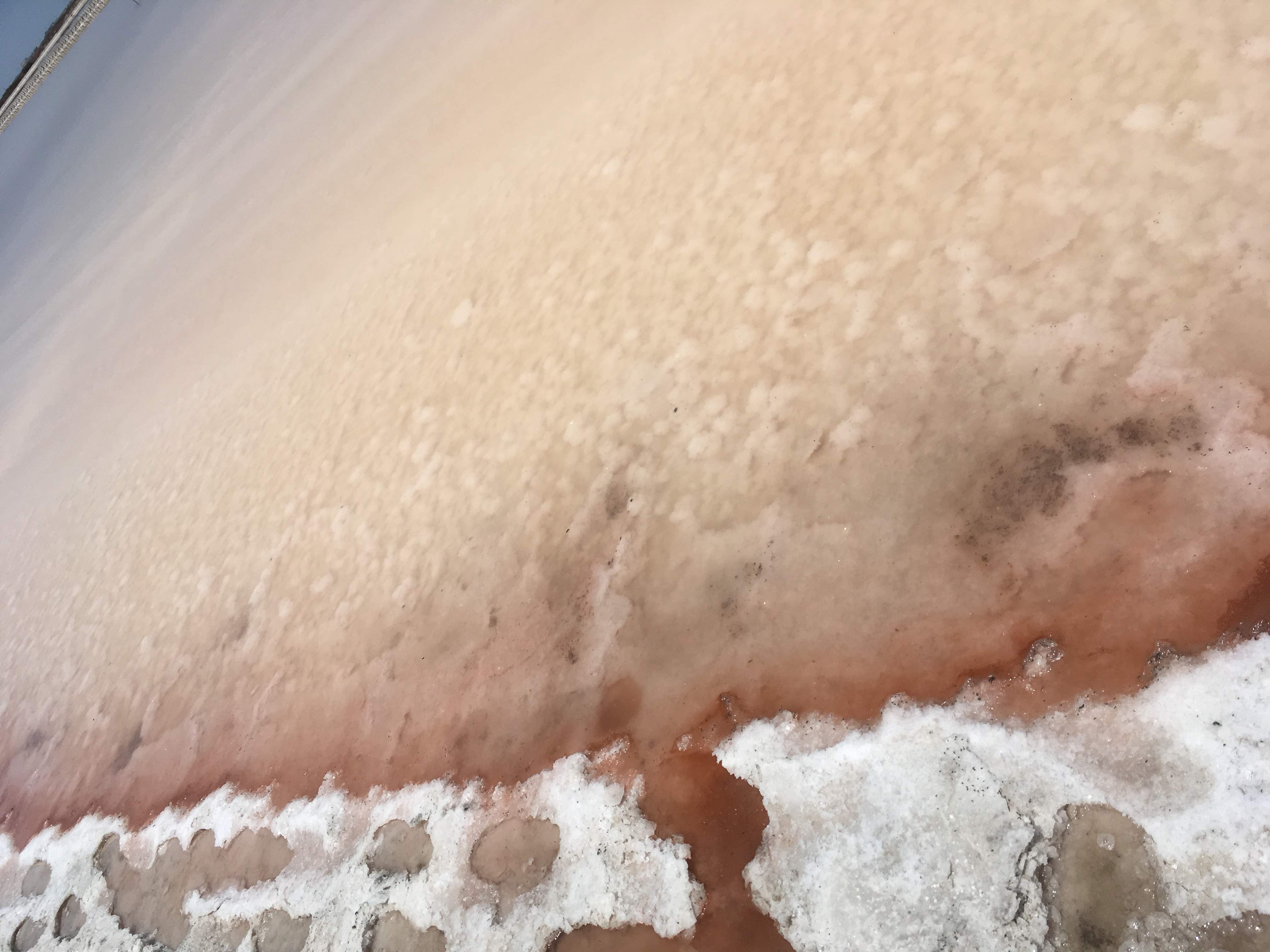
Publication: Klempay, B., Arandia‐Gorostidi, N., Dekas, A.E., Bartlett, D.H., Carr, C.E., Doran, P.T., Dutta, A., Erazo, N., Fisher, L.A., Glass, J.B. and Pontefract, A., 2021. Microbial diversity and activity in Southern California salterns and bitterns: analogues for remnant ocean worlds. Environmental microbiology, 23(7), pp.3825-3839.