Living in symbiosis | Afro-Ecuadorian communities, mangrove forests and cockles
Local ecological knowledge (LEK) systems and the connection of people to mangroves have been overlooked in marine science research, conservation, and policy. Dismissal of LEK has resulted in harmful global impacts to local communities and marine life. Dominant forms of knowledge like science are western based frameworks that tend to prioritize deterministic quantitative, large scale knowledge that in some instances it can operate under extractive ways, in contrast LEK is qualitative oral record that encompasses culture and local understanding and is applied to daily living and traditional subsistence practices.
Ecosystems are under tremendous pressures due to pollution, land use changes, rapid expansion of invasive species, overfishing and climate change threatening many communities and ways of living. It’s important to build solidarity networks that encompass diverse forms of knowledge, but a major question is how to do this in a just and non-extractive way?
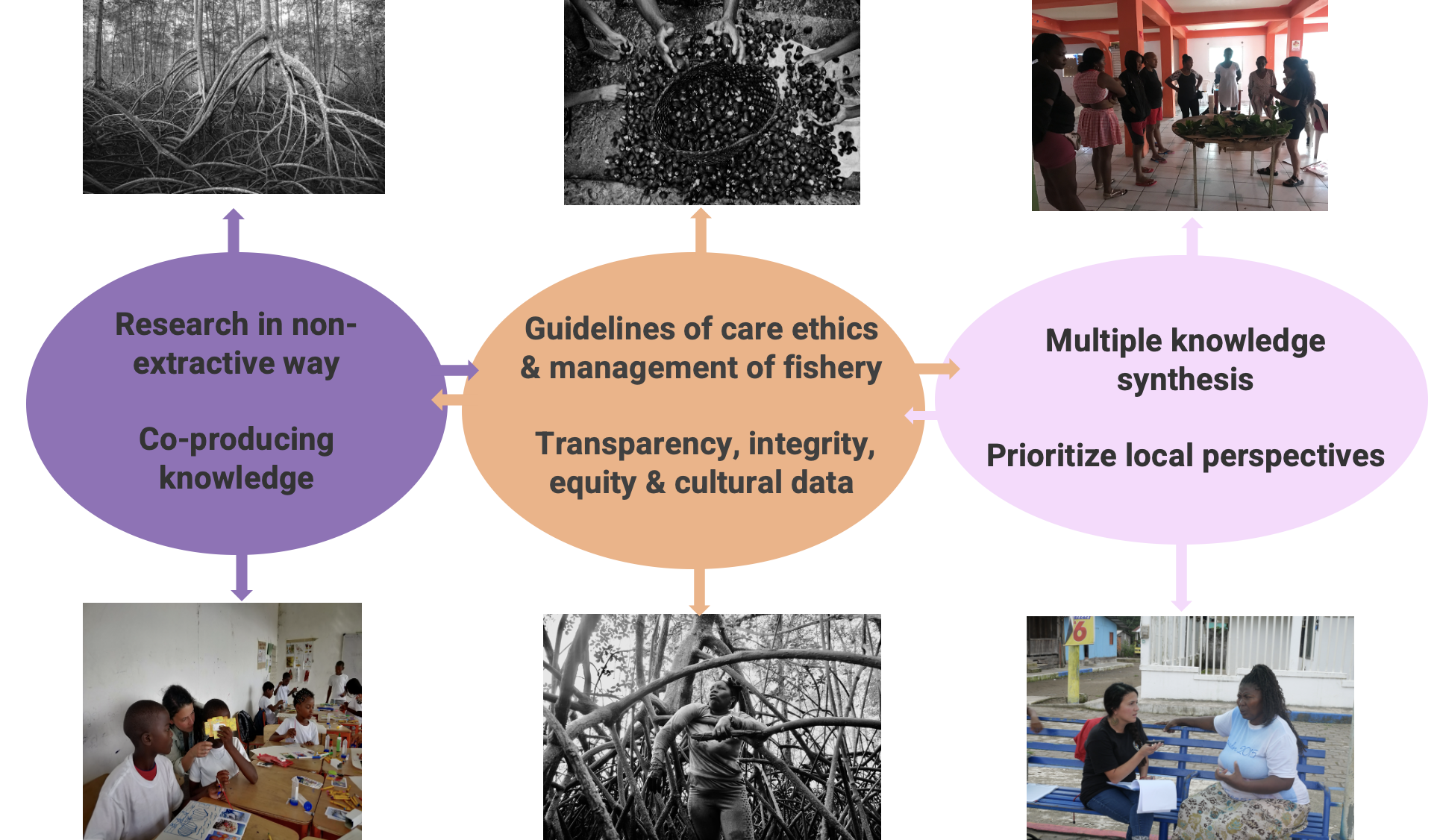
Over the past year I’ve been working with the Mangrove Network collective in Cayapas-Mataje, Ecuador to develop:
-
Principles and guidelines for co-production of knowledge and cultural bioindicators for mangrove conservation
-
Incorporating a care ethics approach to guide the restoration of cockle fisheries, mangrove conservation and data sovereignty
This projects aims to tell the story of Afro-Ecuadorian communities in protecting their territory and their relations with mangroves.
Background:
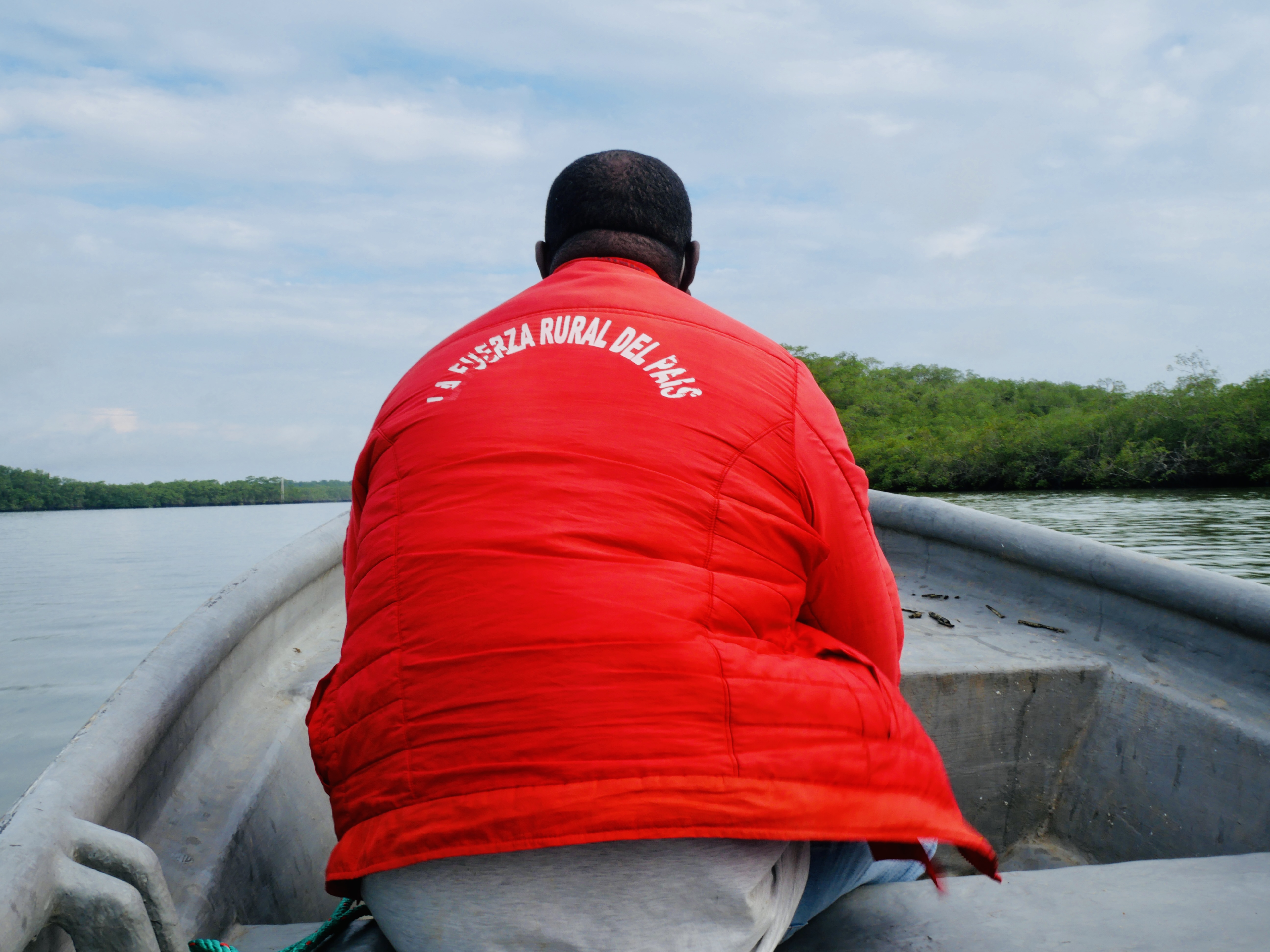
In the northern Ecuadorian region of the Pacific coast, there is an extensive rich and biodiverse coastal ecosystem and mangrove forest. Cayapas-Mataje is located on the Colombian border in northern Esmeraldas Province in and around REMACAN (Cayapas-Mataje Ecological Reserve) at the confluence of the Cayapas, Mataje, Santiago, and San Miguel Rivers. The region is Ecuador’s most pristine mangrove forest environment. Over the past recent years shrimp aquaculture has been active in the reserve and is currently expanding. In Erazo and Bowman (2021) more and less perturbed sites were identified, and an increase in nutrient loading, loss of microbial diversity and presence of pathogens in the more perturbed sites was found that could have severe consequences for communities that rely on artisanal cockle trade.
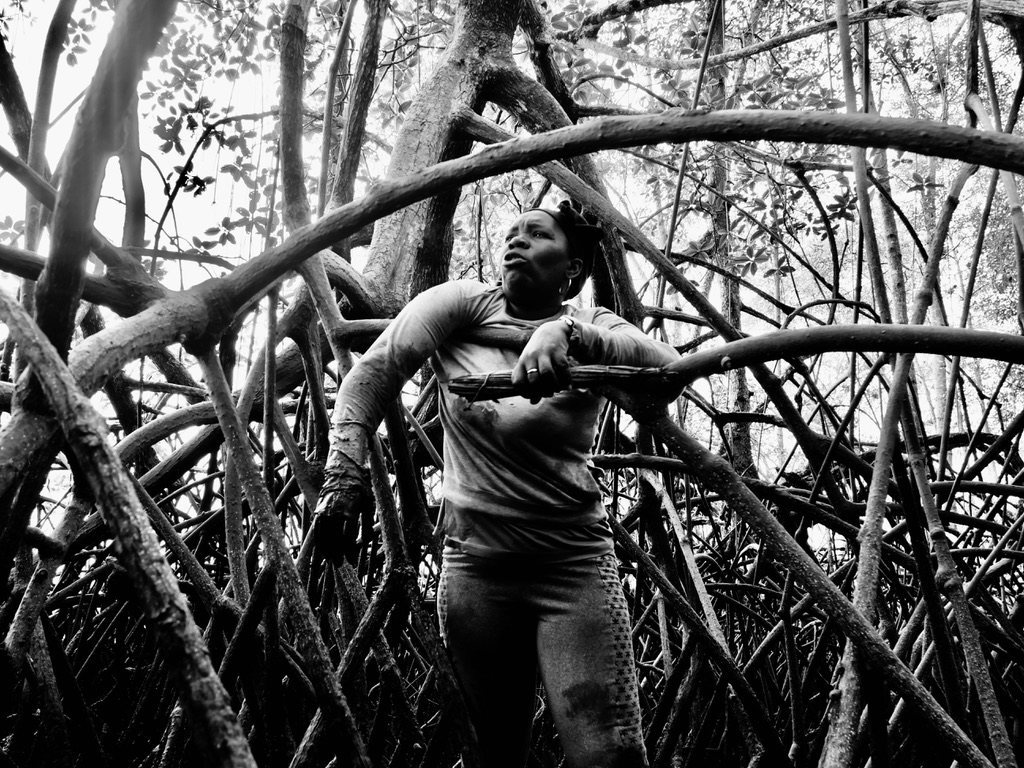
Almost all of the Afro-Ecuadorian population living in and around the 44,000 km2 reserve area rely on the mangrove forest for their income and most of households supplement their income with traditional uses of the forests such as harvesting cockles (commonly known as concheras). The majority of the harvesting of cockles is done by women, and these women are often called concherxs. Concherxs live an artisanal lifestyle almost entirely supported by the mangrove forest. Construction of shrimp farms and other disturbances like illegal mining have led to the destruction of cockle gathering grounds and as a response local communities have formed mangrove defense groups that have led to the implementation of a novel stewardship practice called custodias. The lack of resources has made it very difficult for custodias to monitor and implement sustainable management of the mangrove fishery and there is a great need to develop a baseline on the status of the cockle populations and major pressures.
The Afro-Ecuadorian perspective on ecosystem health and cockle populations is crucial to develop a better understanding of the functioning of mangrove forests and the fishery over time and space to provide ways to build resilience under extreme circumstances (e.g., natural disasters, climate change, and pandemics).
Project work:
- Developing anti-colonial frameworks to build networks to protect mangroves
- Working with Mangrove Networks to monitor and implement management of mangrove fishery
- Educational workshops on climate change and mangroves
- Art print and photography work led by the community