Ocean Cruise at RV Sally Ride
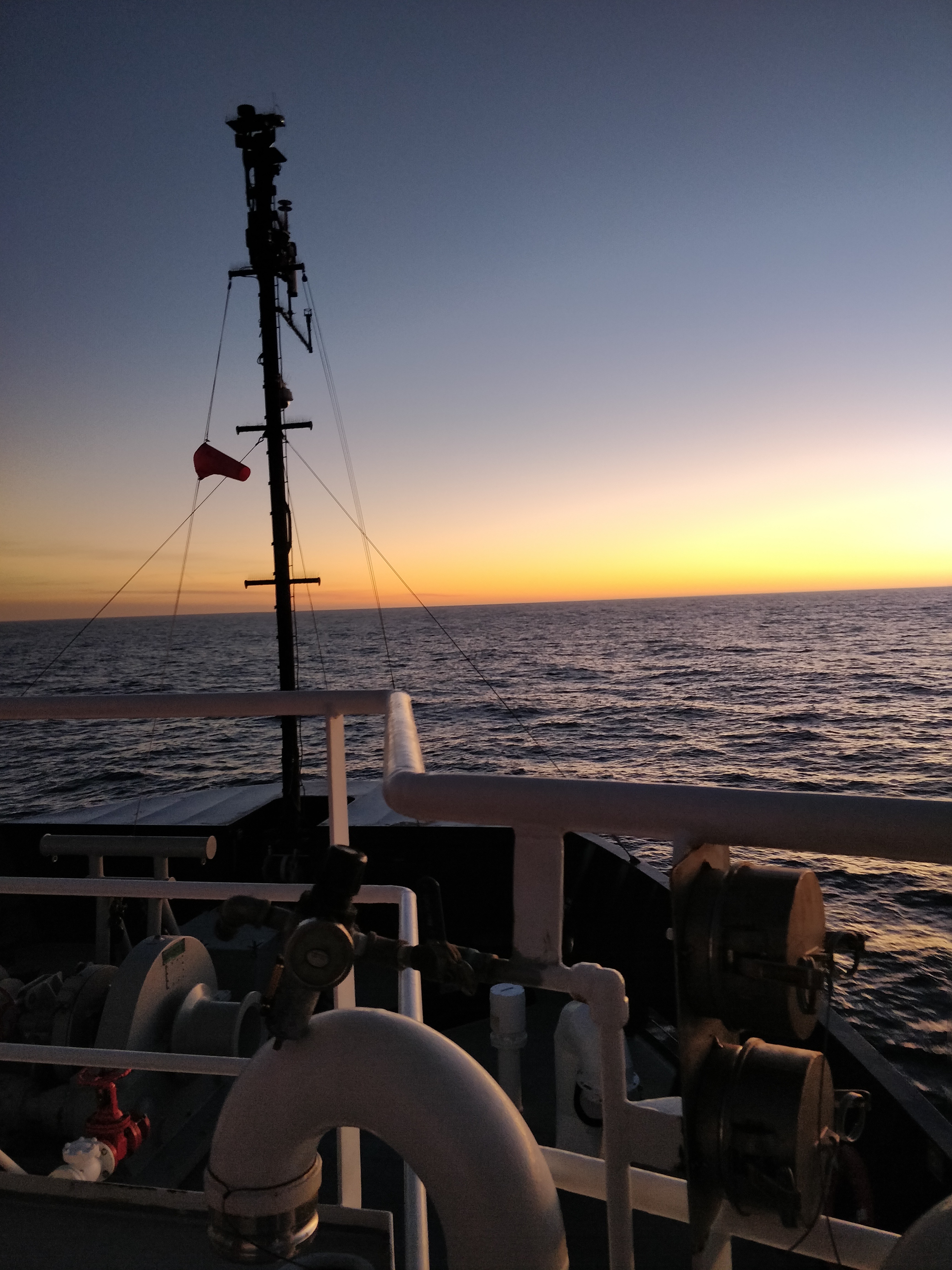
I had the opportunity to co-lead my first ocean cruise in 2023. This project emerged as a collaboration with Dr. Tricia Light. We worked together and wrote a proposal to do science on the Scripps research vessel (RV) Sally Ride. We also proposed and run a grad student seminar with the help of mentors and other researchers.
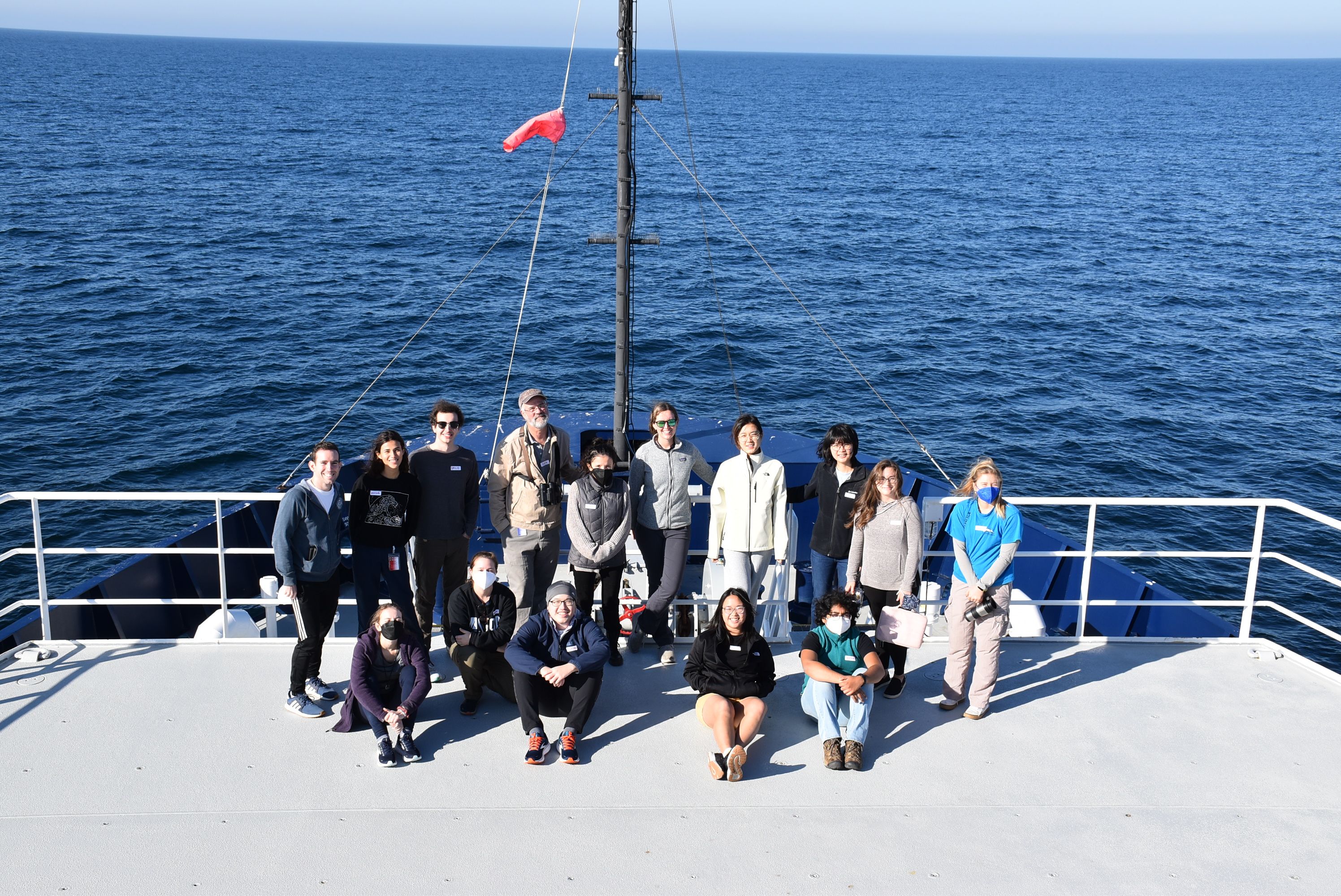
The Ocean cruise: The cruise offered an educational experience to students who might not have otherwise had the opportunity to go to sea. Our 22-person science team consisted of 14 graduate students, a postdoctoral researcher, an undergraduate student, a professor, two volunteers, and two research technicians. Our party represented six countries including the United States, Mexico, Ecuador, India, Austria, Malaysia and China. For more than half the party, the cruise was the first time they had participated in a multi-day research cruise.
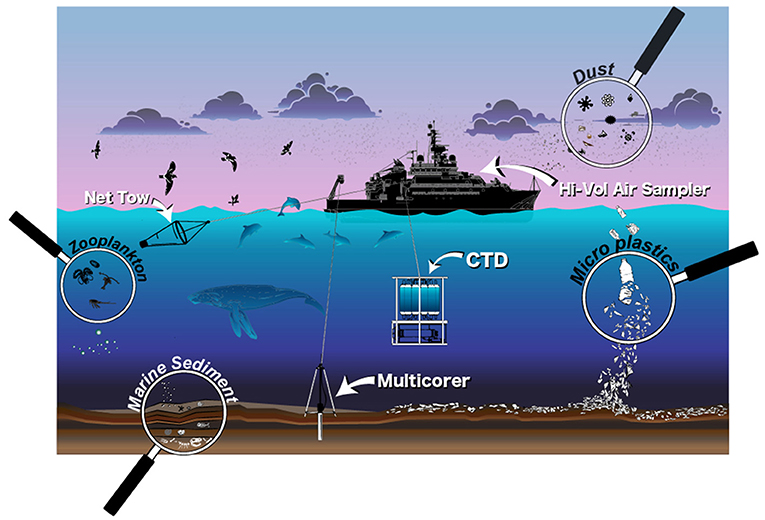
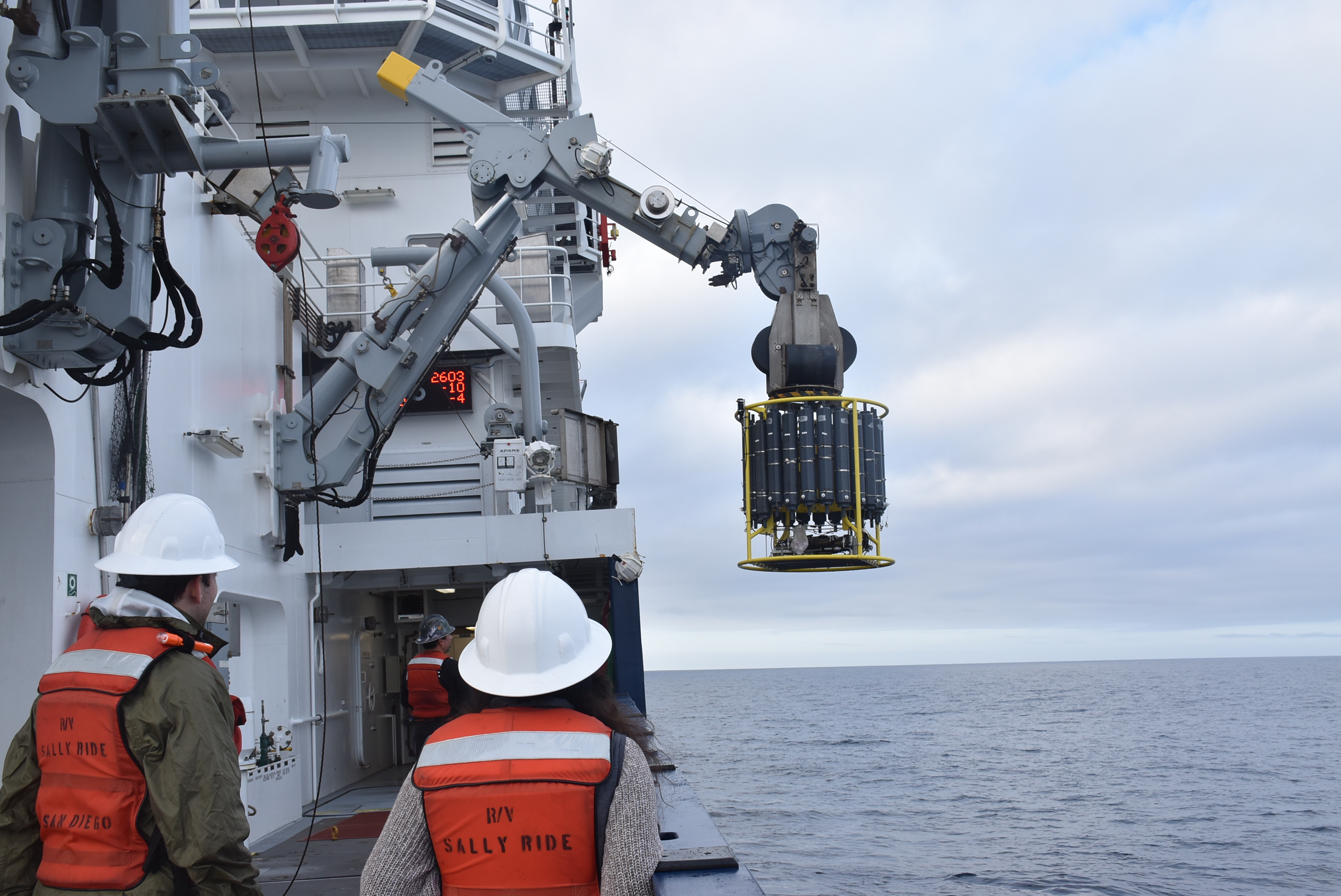
Students conducted various research projects examining the past and present ocean’s productivity by looking at different chemical elements and aerosols, zooplankton and microbial diversity, and the impact of plastic on the seafloor. During the cruise, we conducted multicore deployments, CTD casts, zooplankton net tows, and aerosol sampling at six study sites spanning the California Current.
The seminar: The premise of the seminar was that understanding the history of how we studied our ocean in the past and how we study it now will help us develop approaches to make future oceanographic knowledge production more diverse, accessible, and inclusive. The seminar aimed to recognize that science is historically built on a small subset of privileged voices, and that diverse perspectives are needed to reveal how ongoing structures exclude people from science. The seminar was led by students under the premise that, “No one knows everything; together we know a lot.” We practiced humility through ensuring all voices had equal weight and recognizing that we could all learn from everyone else in the room. We balanced our responsibilities to promote collective learning through active participation with the concept of, “Your Story, Your Choice” (https://aorta.coop). Each person decided which stories to share and which to keep private, so no one was expected to educate others by sharing personal experiences or traumas. We also used facilitation, a discussion method that aims to bring collective knowledge together. While other styles of teaching, leadership, and debate can be more individualistic and based on a single main “knower,” facilitation looks to incorporate the knowledge of all participants. The facilitation technique we used was a round robin: everyone, in turn, had a chance to weigh in on a topic. Different people in a room are more or less likely to speak, be heard, or be interrupted, and facilitation works to address those disparities (https://civiclaboratory.nl).
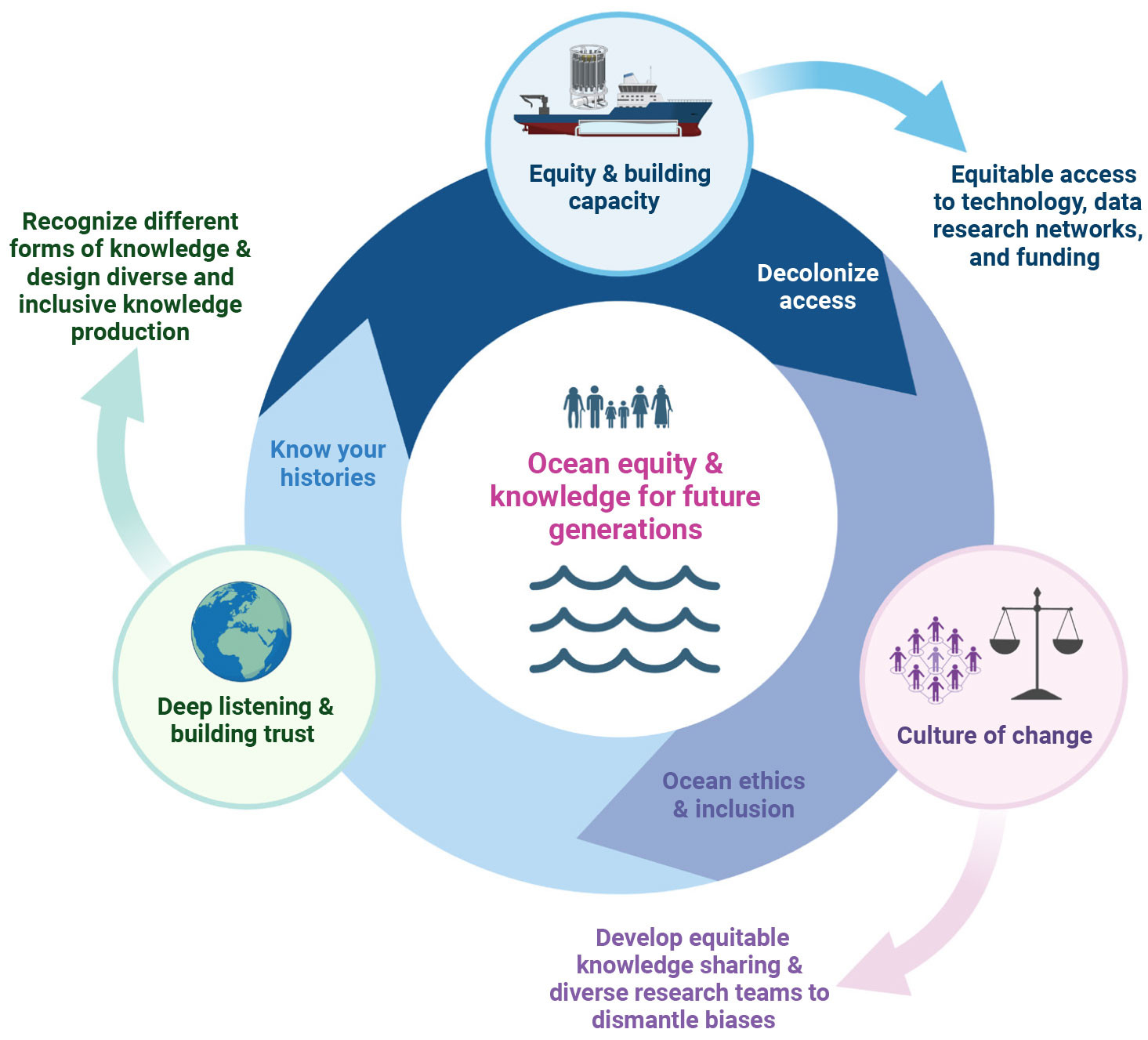
Based on our experience through this course and facilitated discussions, we suggest three directions to make knowledge production more accessible and equitable. First, know your histories and their legacies in how we conduct science, and practice deep listening and building trust. Second, decolonize access and promote building capacity and equitable access to technology, data, and funding. Finally, develop ethical ocean science in inclusive terms and promote a culture of change.
Outputs from the cruise involved publications and blog:
-
Erazo, Natalia, et al. “The Ocean as a Classroom: Considering the Roles of Equity, Diversity, and Justice in Oceanographic Knowledge Production to Promote Accessibility for Future Generations.” Oceanography 36.4 (2023): 160-161. (https://doi.org/10.5670/oceanog.2024.109)
-
Light, Tricia, Emmet Norris, Dongran Zhai, Ruth Varner, Kaycie B. Lanpher, Dante Capone, Natalia G. Erazo, and Richard Norris. “ALL ABOARD! BEHIND THE SCENES OF A SCIENTIFIC RESEARCH CRUISE.” (https://kids.frontiersin.org/articles/10.3389/frym.2023.1184073)